
Composting: here’s what we’re talking about
Composting is the set of complex biological reactions that lead to the decomposition of organic matter under aerobic conditions (i.e. where the biomass is in contact with air).
The composting of organic waste includes a range of suitable materials: materials of animal origin (solid and liquid manure, residues from slaughterhouses, the tanning industry, the fishing industry, etc.), of plant origin (twigs, grass cuttings, stalks, grape marc, seaweed, olive pomace, vegetable processing water, waste from fruit and vegetable markets, distillation and the canning industry, etc.) or of mixed origin (municipal waste, residues from the agri-food industry, etc.).
During the decomposition process, the inoculated microorganisms modify the organic matter through specific reactions, transforming unstable, readily available substances with a high energy content (proteins, sugars, cellulose, fats) into more stable compounds with a slowly released energy content (humic substances).
The materials mentioned above, when suitably bio-processed, provide humified organic matter, returning to the soil a substantial proportion of the organic matter that is mineralised each year.
Composting: preparing the compost heap
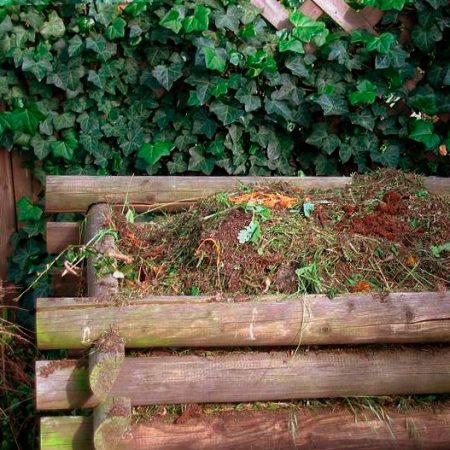
Bioconversion processes are more effective and take less time if the materials are piled up. The preparation of the piles should aim to facilitate the physical-chemical and enzymatic-microbiological processes that transform the mass into a homogeneous material with high fertilising value.
Per ottenere questo traguardo in tempi ragionevolmente brevi (3-4 mesi), è indispensabile utilizzare un inoculo che contenga enzimi e batteri selezionati; a tale proposito BEA Srl ha messo a punto un prodotto specifico commercialmente denominato BIOZIMOSTART, avente la finalità di attivare ed indirizzare il processo in oggetto.
Here is a list of factors to bear in mind when using the product:
• Particle size distribution of materials
• Height of the piles
• Moisture content, temperature and carbon composition of the piles
• Constant monitoring of pH
Request a consultation now!
Managing the composting process – technical notes
To ensure the correct initiation of organic waste composting, the following must be provided for every tonne of dry matter: 0.5–1 kg of BIOZIMOSTART diluted in a quantity of water sufficient to distribute the inoculum evenly and, if necessary, to moisten the biomass.
After a week, it may be necessary to add urea and/or sugars, either together or separately, depending on how the fermentation process progresses.
For example, if ammonia is released, it is necessary to add molasses or other sugar-rich substances to prevent nitrogen loss; if the readily available carbon has been consumed by the bacteria, urea must be added to prevent the process from slowing down and to avoid carbon losses in the form of carbon dioxide, which would result in compost with a lower organic matter content.
L’acqua, per mantenere l’umidità entro i valori ottimali, deve essere fornita prima che si scenda troppo al disotto del valore minimo, distribuendola a pioggia e facendo attenzione che penetri nella biomassa e non scorra lungo i fianchi.
Any significant deviations in pH from the optimum values must be corrected using appropriate measures; if it falls below 5.5, by adding very fine powdered calcium carbonate or slaked lime; if it rises above 8, by adding mineral superphosphate or sugary substances.
Composting organic waste – the benefits for the ecosystem
The quality of the compost produced using this method is superior to that currently available on the market.
It has high agronomic value as it is non-phytotoxic, has a high content of well-humified organic matter and is rich in agronomically beneficial micro-organisms; it is also odourless and free from weeds.
The practice of reusing stabilised residues in agriculture, through the careful composting of organic waste, leads to savings in terms of costs, energy and materials.
More specifically, the farm realises savings on the purchase of synthetic fertilisers, as between 30 and 70 per cent less is required; savings rise to 60–90 per cent on the purchase of micronutrients; the plants are more robust and require fewer applications of plant protection products, leading to savings on both purchase and application; year on year, the need for deep tillage is progressively reduced, resulting in less wear and tear on machinery and lower energy consumption.
It is clear that reduced use of fuel, chemical fertilisers and plant protection products has beneficial effects on the ecosystem.
Returning humified organic matter to the soil leads to a significant improvement, in both quality and quantity, in agricultural yields.