
Leachates and oily emulsions: what are they?
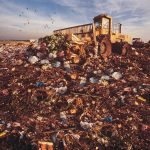
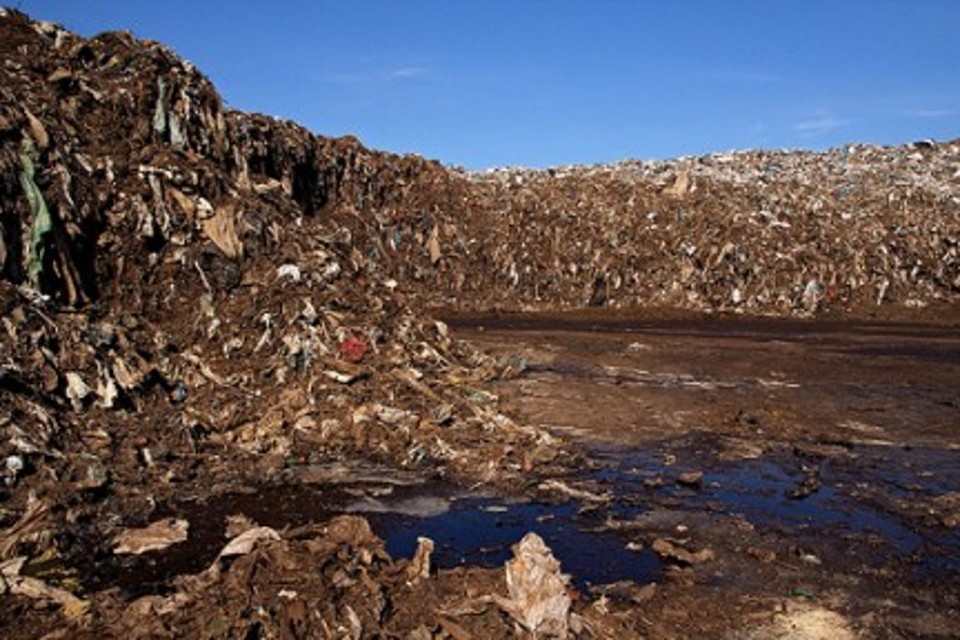
I percolati delle discariche (liquidi che si originano dall’infiltrazione di acqua nelle masse di rifiuti o dalla loro decomposizione) hanno un’alta concentrazione in azoto ammoniacale e una scarsa presenza di carbonio disponibile nonostante l’elevato COD (Domanda chimica di ossigeno – Chemical Oxygen Demand); in questa situazione il rapporto C/N (carbonio/azoto) è oltremisura inferiore ai valori per consentire una elaborazione batterica diversa dalla lunga e costosa nitrificazione.
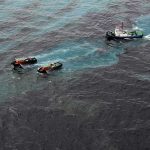
Oily emulsions have a high carbon concentration and a very low nitrogen content; the complexity of the molecules and the C/N ratio are too high to allow the bacteria normally present in biological treatment plants to break down the oil fraction and the emulsifiers into substances that are harmless to the environment.
When considered individually, the two fluids present significant challenges in terms of their treatment; however, if mixed in precise proportions, they can be treated in a biological wastewater treatment plant using a combination of BIOSINERZIM and BIOZIMOIL. The simultaneous presence of the enzymatic-bacterial material supplied by the two products enables the breakdown of oil molecules and the utilisation of ammoniacal nitrogen, which are thus used as nutrients and subsequently transformed into biological sludge.
Treatment of oily water: how to proceed
The emulsions and leachates are poured into a biological pre-treatment tank in proportions to be determined on the basis of the data provided by the analyses.
As we are dealing with 1–2 per cent emulsions, no pre-treatment is required to reduce the oil content.
If the emulsions have an oil content of more than 2 per cent, it is advisable to subject them to a preliminary treatment, both to prevent treatment times from becoming too long and to recover energy.
After 18–24 hours of bio-oxidative treatment, the sludge is allowed to settle and the supernatant is discharged upstream of any biological treatment plant to remove any residual matter.
Request a consultation now!
Treatment of oily water, mixtures and leachate: pay attention to dosages
The recommended dosages for the treatment of leachate and oily emulsions present in water vary depending on the treatment stage and the daily feed volume.
Below are some guidelines indicating the quantities required in various situations.
It is, of course, essential to carry out a thorough preliminary study, including laboratory tests, before any work begins, in order to identify the best methods and the correct dosages of the product to be used.
>> See the recommended dosages on the Biosinerzim and Biozimoil products
The dosage for starting up the oxidative pre-treatment tank is calculated per mg of COD based on the volume of the oxidation tank:
- from 0.20 g/m³ of BIOSINERZIM and 0.30 g/m³ of BIOZIMOIL.
The dosage for starting up the biological oxidation tank, calculated per mg of COD based on the volume of the oxidation tank:
- from 0.10 g/m³ of BIOSINERZIM and 0.15 g/m³ of BIOZIMOIL.
The dosage for maintaining the oxidative pre-treatment tank, calculated per mg of COD based on the volume of the daily influent load:
- from 0.01 g/m³ of BIOSINERZIM and 0.03 g/m³ of BIOZIMOIL.
The dosage for maintaining the oxidative pre-treatment tank, calculated per mg of COD based on the volume of the daily influent load:
- from 0.005 g/m³ of BIOSINERZIM and 0.015 g/m³ of BIOZIMOIL.