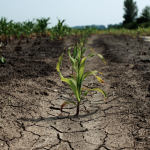

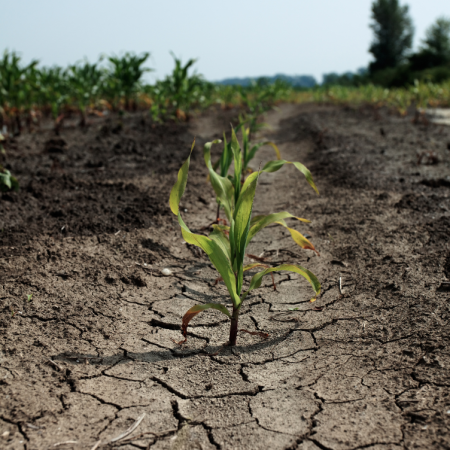
During periods of drought, it is important to use fertilisers that provide plants with the right amount of essential nutrients, namely: nitrogen, potassium and phosphorus.
Nel fornire i nutrienti essenziali occorre assicurarsi di non danneggiare le radici ed il terreno, facendo in modo di migliorare la ritenzione idrica del terreno e stimolare la crescita delle radici.
The aim must be to enable plants to survive and grow even when water is in short supply.
Alternatives that fall within the category of fertilisers for organic farming include: slow-release fertilisers made from seaweed or guano, earthworm castings and organic compost.
Below is an analysis setting out the uses and benefits of each of the types listed above.
Organic fertilisers made from seaweed
The use of organic seaweed-based fertilisers is an effective solution because, as well as providing the right nutrients to cope with drought, it helps to increase the plants’ own resistance to stress.
Seaweed contains phosphorus, nitrogen, potassium, magnesium, calcium, iron and zinc: all of which are essential nutrients for growth and development.
It is also well known that algae contain amino acids, antioxidants and phytohormones, all of which are bioactive compounds that increase tolerance to water stress.
The benefits of using organic seaweed-based fertilisers include:
- as they are released into the soil, they remain available to plants for longer periods;
- improvement of soil structure: they reduce erosion and increase the soil’s ability to retain water;
- they are biodegradable, so they do not pollute;
- They are safe: they have no adverse effects on nature, animals or people.
Earthworm humus as an organic fertiliser
This is the most natural form of organic fertiliser; it is a type of compost produced by earthworms that feed on decomposing organic matter.
In this case too, the end product is rich in nutrients such as potassium, phosphorus, nitrogen, minerals and microorganisms, which help to improve soil structure and increase its water-holding capacity.
Earthworm castings are the best solution for plants – whether potted or in the garden – as well as vegetables, fruit trees, ornamental plants and flowers.
The benefits associated with its use include:
- a high capacity to improve the soil, making it well-aerated and porous;
- greater ability to retain soil moisture, whilst reducing the need for water;
- improved plant health, as plants are better able to protect themselves against diseases and pests.
Slow-release organic fertilisers
Slow-release organic fertilisers are an excellent choice for agriculture; their mechanism is designed to supply nutrients to plants gradually and consistently over time, reducing the need for frequent watering.
Unlike traditional fertilisers, which release nutrients quickly, slow-release fertilisers contain nutrients in a form that delays their availability.
Examples of slow-release organic fertilisers include compost, pelletised manure and leonardite.
In many cases, soil moisture and temperature are the factors that trigger and regulate the release of nutrients, ensuring that plants receive the nourishment they need when weather conditions are favourable for growth.
When used during periods of severe drought, they offer a guarantee in terms of:
- constant nutrition: the plants receive a continuous supply of nutrients over an extended period, lasting up to several months, which helps them to better withstand environmental stresses;
- lower risk of burn: the low concentration of salts, which is released gradually, reduces the risk of damaging plant roots – a common problem with fast-release fertilisers;
- reduced water consumption: many of these fertilisers, particularly those based on organic matter such as compost or peat, improve soil structure and its ability to retain moisture. This means less watering is required;
- lower environmental impact: they reduce leaching (i.e. the loss of nutrients into the subsoil) whilst optimising plant growth even in difficult conditions.