
Air pollution and water treatment
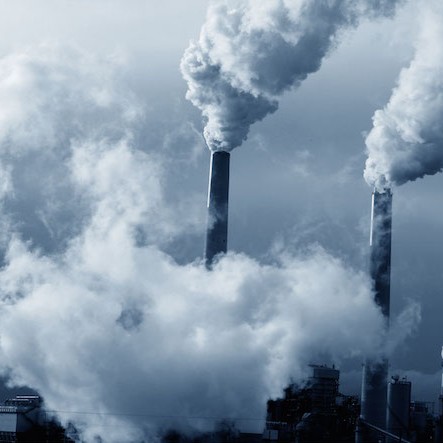
Durante molti processi di lavorazione nell’ambito delle attività industriali e non, si sviluppano emissioni gassose che contengono sostanze inquinanti e maleodoranti.
The need to limit the presence of pollutants in the air often involves the use of various abatement systems. Indeed, gaseous emissions contain polluting vapours and impurities resulting from the boiling or evaporation of liquids, which alter the normal composition of the air and, if inhaled constantly and repeatedly, can cause serious harm to the human body.
I sistemi di purificazione dell’aria e di abbattimento dell’inquinamento e/o puteolenze generate sono numerosi; si possono utilizzare sistemi di tipo attivo (chiamati biofiltri) o di tipo passivo, dove il processo avviene impiegando sistemi fisici o chimici.
PASSIVE SYSTEMS
I sistemi passivi di depurazione dell’aria ne sfruttano il movimento per purificarla e la mettono in contatto con reagenti chimici.
These systems include:
- I Filtri a Carboni Attivi ( >> vedi scheda tecnica )
- Fabric or Cellulose-Based Filters Kept Wet ( >> see technical data sheet )
- Purification by Washing ( >> see technical data sheet )
- Washing with water ( >> see technical data sheet )
Request a consultation now!
ACTIVE SYSTEMS
Active air purification systems, on the other hand, are based on the ability of microorganisms to use pollutants and/or malodourous substances as a source of nutrition, thereby preventing them from being released into the environment.
This ability of microorganisms can be harnessed through various plant-based solutions: by passing the polluted air through a fixed bed (SOLID BIOFILTER), or by bubbling it through a tank containing a suitable quantity of bacteria and enzymes (WATER BIOFILTER) or passing it through a tower where it is subjected to counter-current washing with a spray of water containing bacteria and enzymes (BIOWASHING TOWER).
Compared with passive systems, active systems offer many more advantages.
THE SOLID BIOFILTER is based on filtering air through a fixed bed which acts as a medium for bacteria and enzymes that purify the air. It has low installation costs and maintains consistent efficiency over time; it generates no waste and is capable of utilising the retained ammonia as a source of nitrogen. The disadvantage lies in the need for careful management to avoid stressing the bacterial population, thereby preventing a reduction in performance.

THE WATER BIOFILTER uses a tank containing water with bacteria and enzymes, through which the air to be purified is passed. The advantages of this process include low risk of stress, higher purification efficiency compared to static filters and biofilters, simple operation and easier monitoring. This process does not require water changes. On the other hand, it has the disadvantage of high installation costs and significant electricity consumption.
BIOLOGICAL WASHING PURIFICATION uses a tower into which water is sprayed, containing bacteria and enzymes that serve to wash and purify the air entering the system. This system offers the same advantages as the previous one, with the added benefit of low installation costs and, at the same time, low energy consumption.
Nowadays, the tower system is widely used in industry, but in a passive manner, utilising water mixed with chemical reagents; as a result, chemical consumption is considerable and there is a need to discharge large quantities of water with a high pollutant load.
This method, on the other hand, combined with bacterial and enzymatic activity, is not only highly innovative but also the most environmentally friendly; both because there are no water discharges and, above all, because of its extremely low energy consumption (lower electricity consumption corresponds to lower consumption of fossil fuels and therefore a lower quantity of pollutants released into the environment), which enables completely natural air purification without introducing any further ‘waste’ into the environment.
>> Click here to download the information sheet on the Biolavaggio Tower