
Boron is an elemental chemical substance that cannot be broken down into simpler components.
It is not found in its free form in the Earth’s crust, but only within other, more complex compounds such as natural boric acid and sassolite; therefore, it must be extracted and refined before it can be used.
From a biological perspective, although it is found in small quantities, it is present in extremely high proportions in seaweed: bea.sm has extensive experience in processing these organisms and, over the decades, has developed specific methods to derive the maximum benefits from them. For these reasons, the solutions offered by Bea.sm for the plant sector are extremely efficient and cost-effective.
In plants, boron is involved in the delicate biochemical processes that determine the quantity and quality of the crop; consequently, its use in agriculture plays a key role in the crop’s profitability.
Let’s now look at the areas of application and the relevant methods for improving crops.
Why do plants benefit from boron?
This trace element improves flower fertility by boosting pollen vitality. This results in higher fertilisation rates, leading to increased fruit production.
In particolare è coinvolto in particolari attività enzimatiche quali la sintesi di proteine e lipidi, la divisione cellulare e la translocazione degli zuccheri. Questo efficientamento non è limitato al solo punto di vista biologico ma si estende anche al punto di vista strutturale: il boro determina una maggiore lignificazione dei tessuti che determina un irrobustimento del fusto tale da rendere la pianta più resistente agli stress meccanici ed ambientali (forte vento, gelate, stagione secca etc..)
Why is it necessary to integrate it?
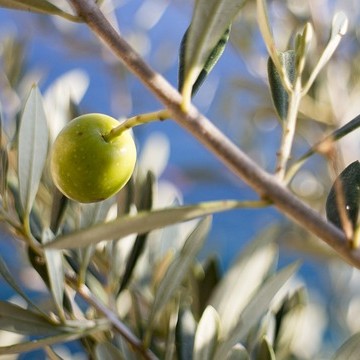
Many plants, such as olive trees and vines, find it difficult to absorb boron from the soil (for example, in alkaline soil with a pH > 7); therefore, to ensure bountiful harvests, external assistance is required in the form of foliar fertilisation.
The boron contained in the products of the ‘Ergofert Boro’ range is made available to plants via a chemical structure specifically designed to ensure optimal absorption: once the carrier molecules have fulfilled their role as transport vehicles, they remain within the plant and enter the biochemical cycle, where they also perform a dual energising and stimulating action.
What are the symptoms of boron deficiency?
As it is a microelement that promotes fruit set, a deficiency can be identified when the plant is in the flowering phenological stage (May/June) and shows a marked reduction in flower production, excessive development of suckers (i.e. those vigorous shoots that arise from the base of the stem or on woody branches several years old) and the formation of rosette shoots.
In the event of a prolonged deficiency, premature shedding of the small fruits or young flower buds may also occur (depending on whether the plant is a fruit-bearing plant or not)
In any case, once symptoms have become apparent on the plant or in the crop, it is necessary to confirm the diagnosis by means of a leaf analysis, as it is recommended that boron fertiliser be applied only where a recognised need exists.
Which plants benefit most from boron?
As ‘Ergofert Boro’ is a unique blend of bacteria, fungi, acids and enzymes, it has a very broad spectrum of action and its benefits are evident in all the organs of numerous plant species.
Specifically:
- It is an excellent fertiliser for use in olive cultivation, as it significantly reduces olive drop
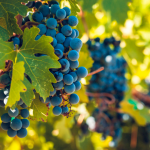
- In grapevines, it resolves the problem of ‘acinetation’, whereby some berries do not reach full development whilst growing alongside the others in the same bunch. This is often due to a failure of pollination: a problem that can be alleviated by a foliar application of boron, which significantly enhances the development of the pollen tube in the inflorescences.
- It treats and prevents the so-called ‘heart rot’ of sugar beet, which is characterised by the withering of the leaves and progressive rotting that causes the taproot to become hollow. In this case, boron boosts the sugar beet’s immune system, making it more resistant to attack by the deuteromycete fungus Phoma betae, which is responsible for this disease.
- It prevents or reduces the incidence of celery diseases such as brittle stalks and split stalks
- It acts as a supplement for those plants which do not necessarily develop a deficiency-related disorder but which nevertheless have a high requirement for this microelement: cabbage, turnip, tobacco, alfalfa and stone fruit trees (peach, plum, apricot, almond, cherry, etc.)
What are the risks?
The risks of cytotoxicity associated with the use of boron in agriculture are very low.
Ergofert’s formulation is such that it can be used in organic farming.
It is miscible with other products and, in general, there are no contraindications to its use in combination with other plant protection products, although we always recommend that you carefully study the product data sheets and seek advice from an expert