
Xylella: ‘B.E.A.’s’ decisive contribution to saving millions of olive trees in Puglia
Xylella fastidiosa: a name that, sadly, we have come to know all too well in recent years, as it is responsible for the destruction of millions of olive trees in Puglia.
Since 2013, when the outbreak began, some eleven million olive trees in the province of Lecce are now considered lost for good; meanwhile, 3,700 trees have been identified as infected within the containment zone.
Until now, no solution other than uprooting the plant and subsequently incinerating it had been found.
Our respect for the balance of nature and our boundless optimism have enabled us to achieve a very significant result: some of the infected plants have undergone a course of treatment and are now completely recovered.
THE CAUSE: Xylella fastidiosa
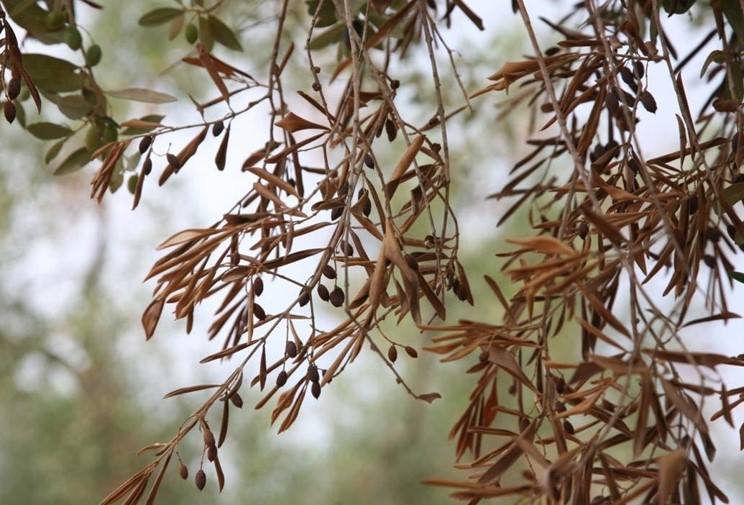
Xylella fastidiosa is a bacterium native to the Americas: according to research carried out, this microorganism arrived in our country and spread via certain insects, specifically Philaenus spumarius, better known as the ‘medium spittlebug’.
Why is it so deadly to our olive trees?
Because it prevents the plant from absorbing water, causing it to die within five years, after all its leaves have gradually turned yellow.
This killer bacterium proliferates in the xylem vessels of the olive tree – that is, the vessels which carry the raw sap (a mixture of water and nutrients) to the plant, enabling it to survive.
In practice, as the plant draws raw sap from the xylem vessels, it also feeds on this bacterium, which settles and multiplies within its digestive system: the more the bacterium multiplies, the more the vessels become blocked, and this causes the plant to wither completely.
THE CONSEQUENCES: the collapse in Italian olive oil production
The consequences of this ‘plague outbreak’ were, on the one hand, five thousand square kilometres and three provinces in Apulia being overrun by the killer bacterium and, on the other, the risk of jeopardising the entire olive oil production in Italy.
Over the years, little has been done to halt the epidemic, the spread of which has led to the destruction of twenty million olive trees in the Bari area alone.
Too many people have taken it for granted that once trees are infected, they cannot be saved: today, this negligence could result in our country being referred to the European Court of Justice for failing to “do enough”.
We invite you to read this article from *Corriere della Sera* to find out more.
THE SOLUTION: how ‘B.E.A.’ managed to save some olive trees in Puglia
Optimism, respect for the balance of nature, and the firm conviction that no organism on our planet wants to die: this is what has driven us to find a possible solution to Xylella.
The methodology adopted by B.E.A., the result of research begun around two years ago, was based on the use of products and techniques designed to strengthen the plant’s immune system.
With the help of Dr Martino Nasuto, who is originally from the province of Taranto, we have managed to demonstrate that olive trees, given the right support, can fight plant diseases on their own.
The analyses carried out once the course of treatment had been completed yielded the result we had all been hoping for: the destruction of the bacteria and the plant’s recovery.
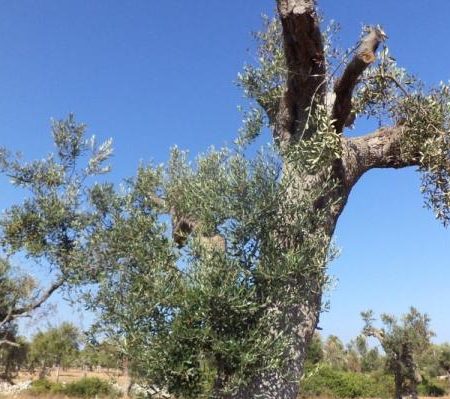
As the pictures show, the olive trees have regained their vigour and the enemy has been defeated: it is possible to eradicate Xylella!
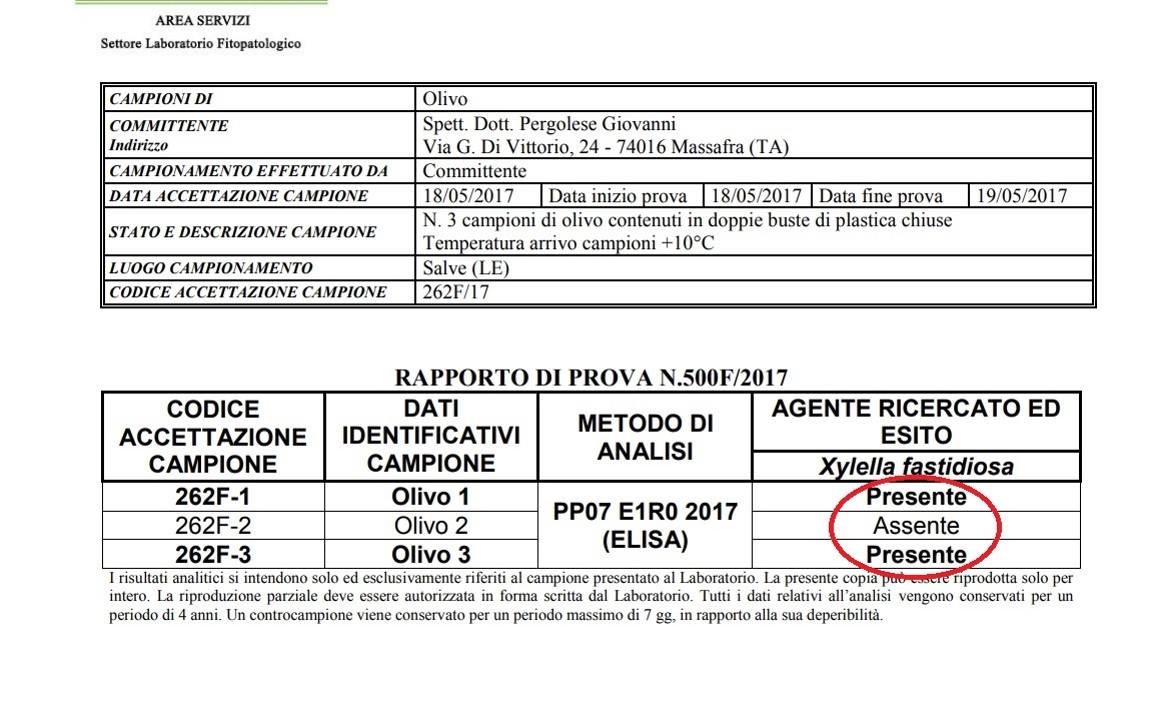
Before treatment 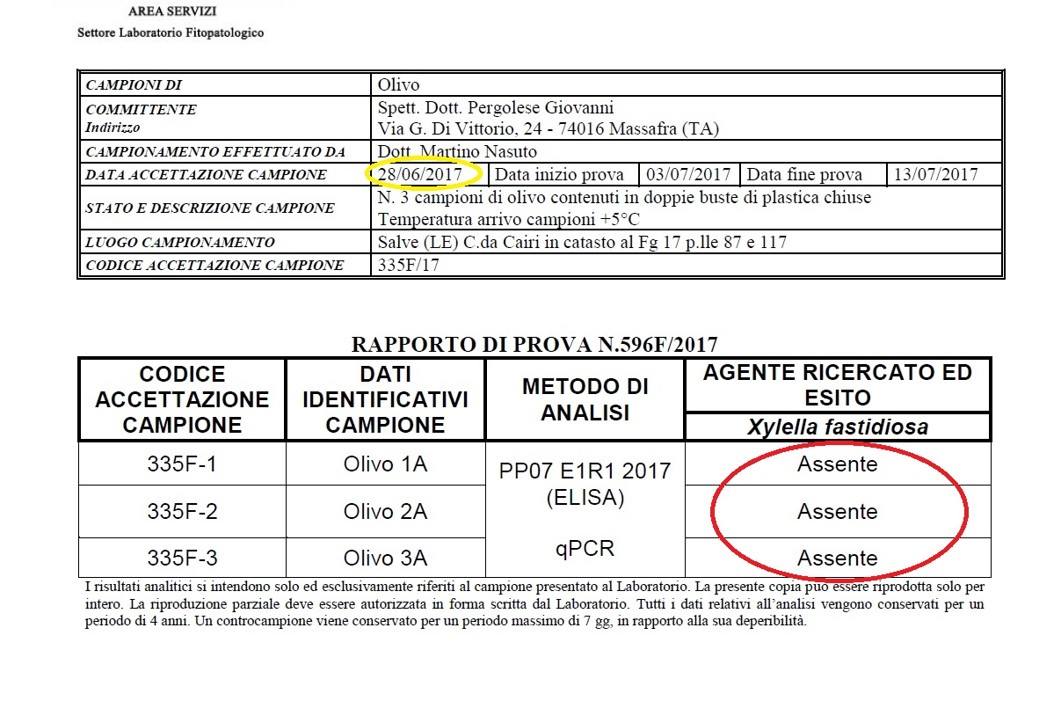
After treatment