
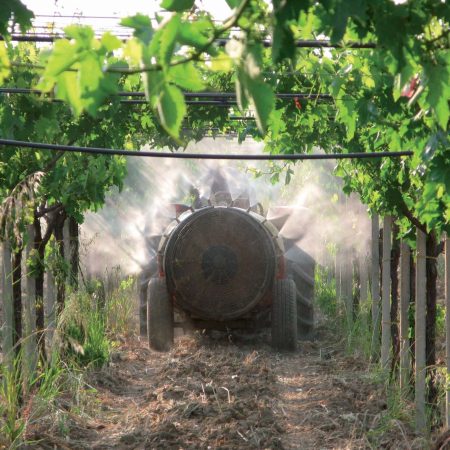
What are plant protection products?
Per prodotti fitosanitari si intendono sostanze attive e preparati destinati a diversi scopi: proteggere i vegetali o i prodotti vegetali da tutti gli organismi nocivi o a prevenirne gli effetti, favorire o regolare i processi vitali, eliminare piante indesiderate o conservare prodotti vegetali.
This is the definition set out in Presidential Decree 290/01, which also covers all the substances – whether authorised or not – that fall under the category of ‘plant protection products’.
But are these chemically synthesised products really the answer to the actual needs of plants, crops, vegetable gardens and so on?
If we are talking about organic and biodynamic farming, if we are concerned with biotechnology for agriculture and the environment, and if we are genuinely seeking to use products that are suited to eco-sustainable development whilst safeguarding environmental biodiversity, then we are not talking about plant protection products, but rather of phytonutrition to support crops and address any deficiencies that may be present in the soil and plants.
La nostra azienda è nata e si è affermata nel campo della Fitonutrizione per rispondere ad un bisogno sempre più percepito in campo agricolo, quello di proporre soluzioni sostenibili sviluppando un’agricoltura biologica e biodinamica in sinergia con la natura.
- NO exploitation of land
- NO plant protection products or chemical fertilisers
- ONLY natural, organic and mineral fertilisers, produced in harmony with NATURE
Our products provide the answer to many common questions in the agronomy sector, which aims to find “[..] methods and technologies designed to optimise crop yields by influencing various production factors, with the aim of improving product quality through the use of appropriate technologies that are environmentally compatible, economically viable and do not pose a risk to the health of end consumers.”
Request a consultation now!
How does resistance to plant diseases and attacks by plant-feeding insects increase?
To increase resistance to plant diseases, it is necessary to ensure, through nutrition, that the plant is in the best possible condition to produce substances that act as repellents, toxins or active or passive defences against bacteria.
This condition also occurs as a result of the thickening of the cell membrane and, consequently, of the leaf surface and thickness.
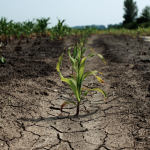
How can we reduce water stress?
Water stress occurs when a plant struggles to absorb water, either through its roots or through its leaves.
To promote absorption, special product mixtures can be used which increase the plant’s ability to capture moisture from the night-time air, just as it normally does with rain.
In fact, it is equivalent to 1.5 mm of rain per square metre of leaf area, and making use of this readily available natural resource enables significant savings to be made in the use of irrigation water.
How can photosynthesis be increased?
Photosynthesis is a chemical process by which green plants and other organisms produce organic substances from atmospheric carbon dioxide and water present in their cells, in the presence of sunlight.
Therefore, for this process to take place, the leaf must absorb carbon dioxide (which is present in large quantities), sunlight and, above all, water.
As we have seen previously, if the plant is in good health, it will be able to absorb dew during the night and will therefore be able to start photosynthesis in the morning as soon as the first rays of the sun appear. If this does not happen, the plant must instead pump water from its roots, drawing it from the soil, which delays the start of the process by at least two hours.