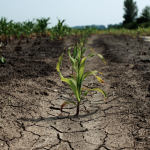

The historical period in which we live is characterised by profound climatic anomalies that are triggering qualitative and quantitative changes in agricultural production.
Long periods of torrential rain alternate with periods of drought: it is clear that these extreme conditions do not benefit cropping systems, which must be adapted in order to respond appropriately to the resulting climatic fluctuations.
How to tackle stress in crops caused by sudden changes in weather
These sudden and drastic changes in temperature increase the level of stress to which crops are subjected: the greater the stress, the higher the plants’ energy requirements will be.
What is the correct way to proceed? Which aspects of the cropping system need to be changed?
Reviewing and streamlining the fertilisation practices followed to date is the right answer to these two questions.
The aim must be to enable the plant, during its vegetative phase, to achieve a nutritional status that allows it to cope without any problems with:
- the increased energy requirements;
- the stress associated with adverse weather conditions;
- le conseguenze derivanti dai cambiamenti in atto nel suolo.
Organic and mineral fertilisers: why these products are regarded as complementary
Organic fertilisers, mineral fertilisers and soil improvers are concepts that are often not fully understood outside our country, particularly in those nations where the relevant regulations differ significantly.
This regulatory gap leads many to believe that the use of organic fertilisers automatically rules out the use of mineral fertilisers: in reality, we are talking about two complementary products that ensure the plant receives the right amount of nutrients.
During the first Europe Summit on Organic Fertilisation, it became clear that there is a need to promote interactions between organic substances and mineral components, and to make the most of those bonds which, over time, improve and facilitate the uptake of nutrients.
One of the reasons behind this hostile attitude is a lack of knowledge about organic fertilisers, which leads to confusion between these products and those authorised and recognised within organic farming practices.
Ask one of our experts for their opinion!
Because measuring the results achieved with organo-mineral fertilisers is the only way to encourage their wider use
To dispel any doubts and uncertainties regarding organic and organo-mineral fertilisers, it is necessary to keep a record of all the results achieved following their use.
In view of climate change, soil characteristics and the plant’s growth stage, it is important to keep track of the following aspects:
- how they improve the rate at which nutrients are absorbed;
- the impact on the surrounding environment and on air pollution levels.
Recent tests and research have shown that the use of organo-mineral fertilisers in Mediterranean soils – where organic matter is scarce and there is a pressing need to improve water retention capacity – has led to incredible improvements.
Whilst, on the one hand, it would be ‘right and proper’ to encourage the recovery of by-products from the food industry and crop residues, on the other hand we must never forget that not all organo-mineral fertilisers can be used in standard organic farming practices.
The greatest cause for concern is the contamination of fertilisers with plastics resulting from recycling activities: this means that packaging manufacturers, supermarkets and those responsible for separate waste collection should take greater care when sorting waste.
Ergofert organo-mineral fertilisers: the specialist range from B.E.A.
Al mondo dei concimi organo minerali B.E.A. ha dedicato un’intera linea di prodotto: ERGOFERT favorisce un progressivo rafforzamento del sistema immunitario della pianta accrescendo la capacità di reazione agli attacchi degli agenti patogeni.
Other significant benefits associated with using this product include improved cold tolerance, greater responsiveness during periods of low natural light, and the uptake of nutrients throughout the plant.
DISCOVER THE 'ERGOFERT' RANGE FROM BEA!
Please contact us for advice!