

Microbiological imbalances and problems with water treatability
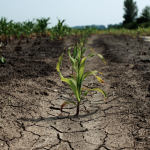
Agricultural land with a low content of ‘stable’ humus is also microbiologically unbalanced. Beneficial microflora (saprophytes, degraders, mineralisers, etc.) are present in lower-than-normal quantities and are unable to biodegrade crop residues whilst simultaneously introducing the compounds needed to facilitate the mineralisation process.
In fact, the soil microflora must be present in sufficient quantity and quality to form a biocenosis (a biocenosis is defined as a group of populations of different species living in the same natural environment), given that a single species is unable to bring about the complete decomposition of organic matter, either in whole or in part, or of its catabolic waste products.
There are countless populations of decomposers, and it is their combined action that leads to the complete breakdown of biomass (defined as the biodegradable fraction of products, waste and residues of biological origin).
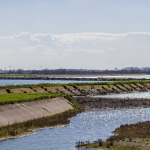
We almost never find a natural microbial balance in cultivated soils, and therefore organic residues almost never undergo a complete biological transformation process. This situation ultimately gives rise to a significant ecological problem; over time, in soils where the biological breakdown of crop residues is incomplete, leachates and effluents are produced which can seep into the shallow aquifers, eventually leading to the contamination of water intended for urban consumption.
Request a consultation now!
Soil regeneration and increased fertility
To tackle the problem highlighted, on agricultural land with low humus content, a biofiltration process is required to regenerate the soil; this is carried out by specific bacteria, which capture the pollutant molecules, preventing them from being washed away and/or leached (the process of separating one or more soluble components from a solid mass).
New biotechnologies enable simple, rapid, cost-effective and safe interventions in the soil, with the aim of enhancing its microbiological potential (control and selection) and creating or restoring the biological balance characteristic of humus-rich soil, thereby restoring the soil to a high level of fertility.
The process of establishing or restoring microbiological balance and the resulting soil regeneration is achieved through the selective and controlled application of broad-spectrum microorganisms, together with enzymes in a balanced solution or suspension: all of this is achieved using our MICROMIX product.
In this way, it is in fact possible to revitalise the bacterial flora present in the soil and stimulate biochemical competition with the pathogens also present there.
Soil fertility in cereal crops
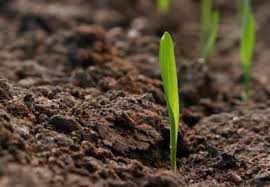
In the case of cereal crops such as wheat, barley and rice, crop residues can be broken down into humus through the use of MICROMIX mixed with Borlanda, slurry, crop leachate, etc.
Within a short time (around 60 days for wheat straw and 150 for rice straw), they turn into humus and nutrients for subsequent crops, without altering the soil’s composition but rather enriching it and increasing its fertility!
In fact, the use of MICROMIX makes it possible to speed up the planting of a new crop; furthermore, at the end of the process, it brings about a profound change in the characteristics of the organic residues present in the topsoil: they lose all their consistency, becoming crumbly, whilst at the same time, agronomically beneficial microbial populations increase and the causes of phytotoxicity resulting from the decomposition of organic matter are eliminated.